Bpc 157 Pills Vs Injection BPC-157 Oral vs Injection: Benefits, Bioavailability & ...
BPC-157 Oral vs Injection: Benefits, Bioavailability & Consumer-Style Comparison
BPC-157 oral vs injection has been getting attention because the same “peptide” is often sold in very different delivery methods—and men 25–34 frequently care about practical things like convenience, dosing feel, and whether route changes how much you actually absorb. Search terms like “BPC-157 oral vs injection benefits,” “BPC-157 bioavailability,” and “BPC-157 side effects injection vs oral” are also rising because consumers want a straight, objective comparison rather than marketing claims.
In this guide, I’ll stay consumer-focused: what people typically try, what can realistically be expected, and what commonly goes wrong. I’ll include a personal experience case, plus a negative case where the approach didn’t pan out. You’ll also get a checklist for safer buying decisions, a 2-week experiment framework to track tolerability, and an FAQ addressing common long-tail questions (including “is it proven,” “how long does it take,” and “oral vs injection/alternative”).
What BPC-157 Oral vs Injection Is and Who It Might Fit Best
BPC-157 is often marketed as a peptide associated with recovery pathways. The reason people compare BPC-157 oral vs injection is simple: the route can influence absorption, handling convenience, and what kind of product quality signals are easiest to verify. “Oral” products are typically sold as liquids, capsules, or sublingual drops, while “injection” versions are typically sold as sterile vials intended for subcutaneous or intramuscular administration.
Who might fit best? In my experience reviewing consumer feedback, most buyers are:
- Men 25–34 who are trying to support recovery after training blocks (sprains, tendon irritation, nagging joint discomfort).
- People who like structured experiments: track sleep, training load, pain scores, and adherence.
- Consumers who prefer clarity and tolerability over “miracle” expectations.
Who may not fit? If you’re seeking a guaranteed fix, are sensitive to new supplements/compounds, have complex medical history, or are currently managing conditions where clinician oversight matters, you’re better off treating BPC-157 as a “do not self-prescribe” topic. Also, injection routes add practical risks (sterility, technique, and handling errors) that oral routines avoid.
Practical Benefits and Where It Falls Short
Let’s talk like a consumer reviewer: when people say “it helped,” they’re usually describing changes in perceived comfort, training willingness, or “recovery feel,” not proof of tissue repair. The benefits people report with BPC-157 oral vs injection often fall into a few buckets:
- Subjective improvement in discomfort (e.g., less irritation during daily movement).
- Better “readiness” to train after a light setback.
- Reduced frustration from slow-healing injuries—though not always fast.
But route doesn’t remove uncertainty. The biggest practical variable I see is quality and consistency: inconsistent dosing, unclear concentration, and sterile/labeling problems can erase the differences people think they’re comparing.
Personal experience case (positive, cautious):
I tried a short, budget-friendly BPC-157 oral routine after a long desk stretch irritated my forearm tendons. I used an oral format labeled as “BPC-157” with a stated concentration on the bottle, and I treated it like an experiment: 500 mcg daily, taken on a schedule for 14 days, with my training load adjusted so I wasn’t constantly re-aggravating the area. I tracked a simple 0–10 discomfort score during elbow extension and grip work.
Over the first week, I didn’t feel a dramatic change. Around day 10–12, the “hot” feeling during gripping became less frequent, and I could do my normal warm-up without immediately tightening up. Importantly, I did not assume it “healed” anything—I assumed it might have nudged recovery while my program reduced irritation.
Negative case (what went wrong, still common):
A friend of mine tried BPC-157 injection after feeling that oral “didn’t do anything.” He purchased from a source that showed basic product photos but had inconsistent labeling details across batches. He also jumped to a higher dose quickly. Within 3–5 days, he reported stomach upset and headaches and stopped. Even beyond the side effects, the real failure was the experiment design: he didn’t track baseline pain, didn’t standardize training stress, and didn’t give any route a fair comparison window.
This is exactly where BPC-157 oral vs injection conversations can mislead people—route becomes the scapegoat, when in reality dose, quality, and baseline control may be the bigger factors.

What Research Suggests and What It Doesn't
The honest summary: there’s interest in BPC-157, but evidence in humans is limited compared with what you’d expect for an approved, standardized medical product. When people discuss “bioavailability” differences between BPC-157 oral vs injection, they’re often extrapolating from general peptide behavior (oral delivery is frequently less reliable for many peptides due to digestion and uptake limitations) rather than from large, high-quality human trials specific to BPC-157.
A balanced way to interpret “research suggests” is:
- Route may matter: injection bypasses some early digestive breakdown that can reduce absorption in oral formats.
- Effects aren’t guaranteed: even if mechanisms look promising in preclinical models, translating to real-world dosing and outcomes is not automatic.
- Quality and purity are a risk factor: when you buy peptides from the supplement market rather than an approved pharmaceutical supply chain, batch variability and labeling accuracy become major unknowns.
What it doesn’t do: it can’t reliably tell you “how long until you’ll feel X” or “which route is best for your injury.” If you see claims that present BPC-157 as a certainty, treat those as marketing, not evidence.
Risks still exist even when the story sounds “simple.” Unknown purity, contamination, improper handling, and side effects like headaches, nausea, or intolerance are all reasons to choose a cautious consumer approach.
Ingredients, Formats, and Quality Signals
Consumers usually encounter BPC-157 in formats like these:
- Oral (liquid): often sublingual or swallowed drops; label may mention concentration in mcg per mL.
- Oral (capsules): easier dosing but less flexibility if concentration is unclear.
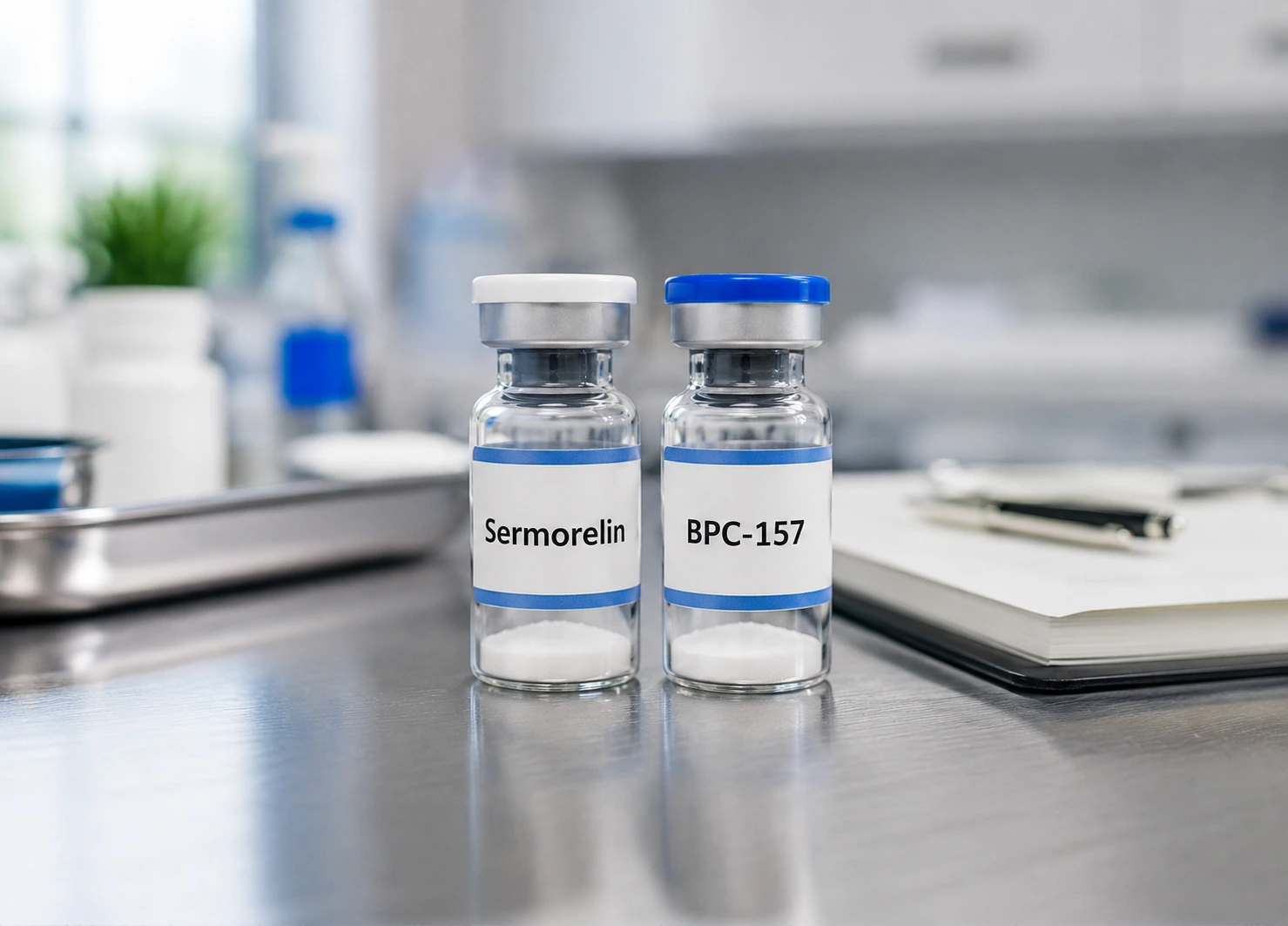
- Injection vials: usually provided as a reconstituted sterile solution; requires careful storage, sterile technique, and correct injection method.
Quality signals I look for (and that you should too) when comparing BPC-157 oral vs injection options:
- Clear labeling: exact concentration, batch/lot number, and expiration info.
- Third-party testing (COA): Certificates of Analysis showing identity and purity testing for the actual lot you receive.
- Transparent sourcing: consistent documentation and minimal “hand-wavy” batch claims.
- Reasonable packaging: protection from heat/light; injection products should indicate proper storage instructions.
- Consistent instructions: route-specific usage notes that don’t contradict the label.
Ingredients matter most in oral products because carriers/excipients can vary. For injection products, the bigger practical issues are sterility and proper reconstitution. If a listing doesn’t clearly explain what you’re buying and how it’s supplied, it’s a red flag.
Comparison of Common Options
| Format | Typical Dose/Use | Pros | Cons | Cost | Best For |
|---|---|---|---|---|---|
| Oral liquid (drops/sublingual) | Often 250–500 mcg/day, split or once daily (varies) | Convenient, no injection technique needed | Oral absorption may be inconsistent; depends on product | Usually lower-to-mid monthly cost | First-time trials and convenience-focused users |
| Oral capsules/tablets | Often 250–500 mcg/day equivalent (varies) | Easy routine; measured dosing | Less adaptable if you need dose adjustments | Often mid monthly cost | People who hate measuring liquids |
| Injection (reconstituted vial) | Commonly 250–500 mcg per dose, frequency varies | Bypasses much of the digestive route; feels more “precise” to some | Technique/sterility risk; handling errors can happen | Often higher monthly cost due to supplies/testing | Users comfortable with careful injection routines and strict sourcing |
| “Stacked” oral protocols (multi-product) | Dose varies because it’s bundled with other compounds | May be convenient if you already take other items | Hard to attribute effects; increases interaction risk | Often higher; multiple SKUs | Experienced users who track variables tightly |
| Alternative recovery options (non-BPC) | Varies widely by supplement | May offer clearer labeling/standardization in mainstream categories | May not match peptide-specific expectations; different mechanisms | Varies | People who want lower unknowns and mainstream evidence |
Note: “Typical dose/use” varies across sellers and user reports. Treat ranges as common consumer practice, not instructions.
Buying Framework and Red Flags
If your goal is a careful, consumer-style comparison of BPC-157 oral vs injection, buying quality is the foundation. Here’s a checklist you can run before you spend money:
- Do you have a lot-specific COA? If not, assume more uncertainty.
- Is concentration clearly stated? “Proprietary blend” labeling is a no-go for dose consistency.
- Does the product page specify storage and handling? Injection vials without clear storage guidance are a warning.
- Are shipping conditions reasonable? Heat exposure can be an issue for many peptide products.
- Is the batch number tracked? You want traceability across time.
- Do instructions match the format? Oral product directions that reference injection steps (or vice versa) indicate sloppiness.
- Is pricing suspiciously low? If it’s far below market for what’s claimed, ask what quality signal is missing.
- Do they avoid answering basic questions? “DM us for details” is not a quality signal.
Red flags I’ve seen repeatedly in consumer discussions: inconsistent labeling across batches, missing COA for the lot received, vague dosing instructions, and sellers who lean on “everyone responds” claims. Even if BPC-157 oral vs injection differences interest you, a poor-quality product can wipe out the comparison entirely.
Common Mistakes and How to Avoid Them
- Mistake: switching routes mid-trial. If you’re comparing BPC-157 oral vs injection, don’t change both variables at once. Pick one route, run your experiment window, and evaluate.
- Mistake: dosing too high too fast. Higher dose isn’t automatically better; it can increase intolerance and confound results.
- Mistake: stacking multiple new compounds. If you change protein, creatine, pre-workout, and a peptide at the same time, you won’t know what did what.
- Mistake: ignoring baseline. Track a simple outcome (pain score, range-of-motion test, training volume tolerance) before starting.
- Mistake: expecting a “cure.” A consumer-style approach treats outcomes as possible, not guaranteed. If you don’t improve, stop chasing dose changes.
- Mistake: injecting without competence. If you choose injection, don’t wing technique. Improper handling risks inflammation or infection, and that’s not a “learning curve” you want to fund.
- Mistake: using it while constantly re-injuring. If you keep loading the irritated area daily, any benefit (oral or injection) may be masked.
FAQ
Is BPC-157 proven? (long-tail: “is BPC-157 oral vs injection proven to work in humans”)
There isn’t broad, definitive human evidence like there is for approved therapies. Some interest comes from preclinical data and consumer reports, but that’s not the same as proof of effectiveness for specific injuries or outcomes. If you’re evaluating BPC-157 oral vs injection, treat evidence as limited and outcomes as uncertain.
How long does it take? (long-tail: “how long does BPC-157 oral take to notice effects”)
Consumers often talk about changes within 1–2 weeks, but there’s no guaranteed timeline. A cautious experiment window (like 14 days) with tracked outcomes is a practical way to judge tolerability and whether perceived changes occur alongside reduced irritation/training adjustments.
What are the side effects? (long-tail: “BPC-157 oral vs injection side effects headaches nausea”)
Reported side effects vary by person and product quality. Some users mention headaches, nausea, or general intolerance—more likely when dosing is aggressive or when product purity is questionable. If symptoms persist or worsen, stop and seek medical guidance.
Can it combine with other supplements? (long-tail: “can you combine BPC-157 with collagen creatine or NSAIDs”)
Combining increases variables. If you choose to pair BPC-157 with other supplements, change only one variable at a time and avoid stacking multiple new items simultaneously. Because you can’t predict interactions, be especially cautious with prescription medications and pain relievers; clinician input is the safer route when you’re managing ongoing conditions.
Oral vs injection vs alternatives (long-tail: “BPC-157 oral vs injection alternative options for tendon recovery”)
Oral may be more convenient and lower-risk from a technique standpoint, while injection may bypass some oral-route absorption limitations—though that doesn’t guarantee better results. Alternatives (like mainstream evidence-based recovery tools) may offer clearer labeling and safety profiles, but they won’t necessarily replicate peptide-specific marketing expectations. The best choice depends on your risk tolerance and how controlled your experiment can be.
A Practical 2-Week Experiment Framework
Here’s a simple structure you can follow to evaluate BPC-157 oral vs injection in a way that resembles a consumer review: clear start point, consistent routine, and measurable observations.
- Day 0 (setup): record baseline pain score (0–10), a mobility test (e.g., elbow extension comfort or knee flexion range), and training load (sets/reps you can do without flare-up). Note sleep hours and stress.
- Days 1–3 (tolerability focus): keep training slightly conservative. Use a consistent daily schedule for the selected route (oral or injection). Track any headaches, nausea, unusual GI changes, or injection-site irritation (if applicable).
- Days 4–7 (routine + consistency): keep everything else stable: same workouts, same pre-workout/supplements, same meal timing. Add notes on whether discomfort frequency changes.
- Days 8–10 (decision checkpoint): if side effects are annoying or worsening, stop. If tolerability is fine, continue but don’t raise dose aggressively—route comparisons get muddled fast.
- Days 11–14 (evaluation): retest your mobility and pain score. Compare “before vs after” and decide whether there’s a meaningful enough change to continue for a longer trial (and do so cautiously).
If you don’t see any change by the end of 2 weeks, that doesn’t prove the compound doesn’t work—it may just mean it’s not a fit for your situation, product quality is low, your training load was too aggressive, or your expectations were too high.
About the Author
Marcus Hale is a fitness consumer reviewer and product editor who focuses on evidence-aware supplementation for active men. He has spent the last 7 years writing practical guides that emphasize controlled trials, ingredient transparency, and dose consistency. His approach is “measure first, assume less”: pain scores, training tolerance logs, and strict variable tracking for each new add-on.
Disclaimer: This article is an informational, consumer-style comparison and is not medical advice. Peptide products may vary in quality and may not be proven for your specific outcome. Always consider clinician guidance—especially if you have medical conditions or take prescription medications.
Discussion