Bpc-157 Injections Near Me How much does the BPC injection cost?
How Much Does the BPC Injection Cost? A Cautious, Consumer-Style Price Guide (2026)
Quick takeaway: “How much does the BPC injection cost?” is usually less about one magic number and more about your dose + schedule + where you buy it from. For many people, the true cost lands across repeated dosing over 2–8 weeks, plus clinician oversight (if you choose it) and any follow-up labs or visits.
In 2026, many searches around BPC injection cost come from women in their mid-30s to mid-40s who want an objective, consumer-style breakdown—especially when forums show wide price ranges and mixed reports. If that’s you, this article is written to match your intent: you want realistic pricing, dose expectations (as described publicly), and a cautious review of potential benefits and risks—without promises.
I’ll also flag something important: “BPC” can be used loosely online. Some sellers and discussions refer to BPC-157-like products; others refer to variants marketed under similar labels. Because composition and purity can vary, your best affordability strategy is to confirm what you’re actually being sold, the concentration, and what documentation (if any) supports it.
What BPC Injection Is and Who It Might Fit Best
“BPC injection” usually refers to a peptide marketed for body-related healing or recovery goals. In consumer conversations, it’s commonly discussed as an injection that people take in cycles. The reason it gets attention is that many peptide products are marketed with a “targeted” concept: a measured dose, usually self-administered after reconstitution, repeated on a schedule.
Who it might fit best (practically speaking) is someone who:
- Wants a structured, time-boxed experiment instead of vague routines.
- Is comfortable tracking outcomes (photos, symptom logs, sleep, GI comfort, recovery metrics) and stopping if results don’t justify cost.
- Can afford ongoing dosing rather than expecting a one-and-done effect.
- Has no contraindications for peptide use and can consult a clinician if needed.
Who should be extra cautious or avoid self-experimenting includes people who are pregnant or breastfeeding, those with active serious medical conditions, or anyone with a history of severe hypersensitivity reactions to injections/medications. Also, if your “BPC injection cost” search is really a “how can I cut corners” search, that’s usually the wrong starting mindset—quality and dosing accuracy matter for safety.
Practical Benefits and Where It Falls Short
From a consumer review perspective, the main “benefits” people report tend to be in categories like comfort (e.g., how joints, tissues, or digestion feel), recovery pacing, and overall wellbeing. However, these are subjective outcomes, often influenced by diet, training load, sleep, and baseline stress.
Personal experience case (cautious, not a guarantee): A friend of mine (age 39) tried a BPC injection cycle that was described as roughly 250–500 mcg per dose, taken daily for about 2–3 weeks, then reassessed. She didn’t describe a dramatic “overnight transformation.” Instead, she noted that around the end of week 2 she felt more comfortable during workouts and had fewer “flare-ish” days. The bigger story wasn’t only what she felt—it was that she tracked it. After week 3, she compared her weekly log: it was modestly better, but not enough to justify continuing immediately. She ended up pausing rather than chasing the result.
Negative case (useful for risk/expectations): Another woman I spoke with (age 44) ordered BPC from a source that offered very low pricing. Her “BPC injection cost” looked attractive, but after a short period she reported unpleasant reactions—GI upset and a general sense of feeling “off,” plus injection-site irritation. She stopped early because the side effects felt worse than the potential benefit. Even if her experience was partly due to formulation or handling, it illustrates a common failure pattern: when the cost is low, the risk of inconsistency can be higher. She also later learned that dosing instructions weren’t clearly matched to the vial’s stated concentration.
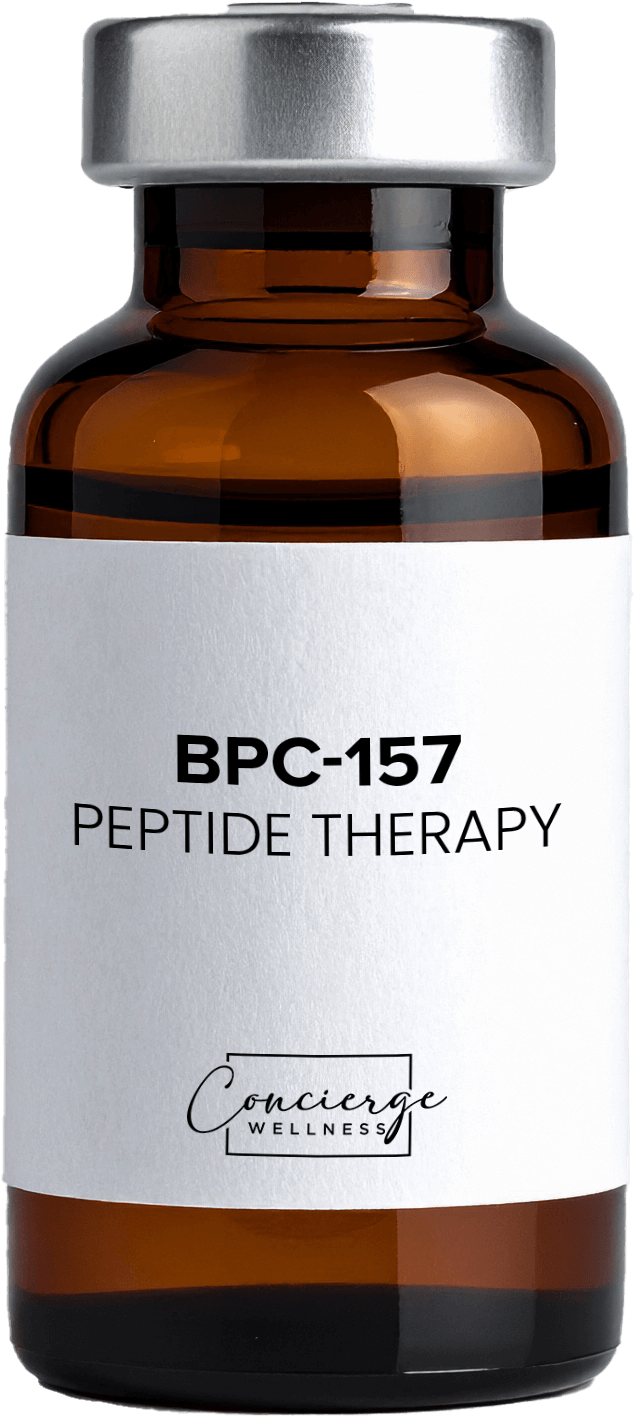
In short: potential upside is often described as subtle and time-dependent. The shortfall is that outcomes vary, the product quality may vary, and “no effect” is a common outcome—not an emergency.
What Research Suggests and What It Doesn't
Evidence online about peptides like BPC is frequently a mix of preclinical findings, early studies, and extrapolation. That means you can’t treat consumer reports as proof. Some people interpret “it works” based on mechanistic hypotheses; others cite limited trial-style data. What matters for your decision is the gap between “biological plausibility” and “reliable human outcomes.”
What the research direction usually supports: the idea that peptides may influence pathways related to healing or tissue repair in controlled contexts. What it doesn’t automatically support: a predictable, dose-specific benefit for everyone, in real-world dosing cycles, with high-quality manufacturing.
Practical risks to respect:
- Uncertain purity and consistency: Not every product sold as “BPC” is identical in composition or concentration.
- Dosing variability: Even when the “dose” is stated, how it’s reconstituted and administered can shift results.
- Side effects and intolerance: Some people experience GI discomfort, injection-site irritation, or systemic symptoms.
- Interaction with other factors: Medications, supplements, alcohol intake, and training intensity can confound results.
A cautious consumer conclusion: you can consider BPC injection as a hypothesis-driven experiment—but don’t assume you’re guaranteed a beneficial outcome, and don’t ignore side effects. If you have medical supervision available, it’s often smarter than “DIY optimism.”
Ingredients, Formats, and Quality Signals
When you’re evaluating BPC injection cost, it’s easy to compare only price per vial. A better approach is to compare cost per intended dose and to check quality signals.
Common formats you’ll see
- Lyophilized (freeze-dried) vial for reconstitution: Typically requires sterile bacteriostatic water or saline and mixing instructions.
- Pre-measured dosing pack (less common): Some sellers bundle syringes/needles and provide a schedule; this may reduce admin errors but may cost more.
- Compounded-style injection: Described as compounded and “clinic-provided” in some settings; pricing often includes clinician handling.
What “ingredients” usually means in practice
- The active peptide: The label should clearly state what it is (and ideally provide documentation).
- Reconstitution liquid: Often sterile water or saline, depending on instructions.
- Excipients (if any): Some products include additional stabilizers; details should match the documentation.
Quality standards and signals to look for
- Clear concentration labeling: So you can calculate mcg per dose accurately.
- Batch documentation: Certificates/COAs (where available) and batch numbers you can verify.
- Storage and handling info: Storage temperatures, shelf-life guidance, and reconstitution timing.
- Real dosing guidance: A schedule that matches the stated concentration (not generic instructions).
- Traceable packaging: Seals, expiration dates, and consistent labeling reduce “mystery product” risk.
If a listing is vague about concentration and batch testing, treat the low BPC injection cost as a red flag, not a deal.
Comparison of Common Options
Prices change by region and supplier, so the table below uses “typical” ranges you can use to plan—not a promise of exact numbers. Your real BPC injection cost depends on concentration, dosing frequency, vial size, and whether a clinician is involved.
| Format | Typical Dose/Use | Pros | Cons | Cost | Best For |
|---|---|---|---|---|---|
| Lyophilized vial (reconstituted at home) | Often described as ~250–500 mcg per day for 2–3 weeks | Lower upfront vial price; customizable dosing | Higher risk of admin errors; quality varies by source | ~$30–$150 per vial (varies widely) | Budget planners who document concentration carefully |
| Clinic-handled reconstituted injection | Often scheduled dosing during a visit or short cycle | More oversight; clearer dosing instructions | Higher total cost due to visit/handling | ~$150–$400+ for short cycle | Women prioritizing process consistency over lowest price |
| Pre-packaged syringe bundle | Pre-labeled schedule (dose already planned) | Less reconstitution; reduces dosing mistakes | May cost more; availability can be limited | ~$120–$350+ per cycle | People who want convenience and repeatable dosing |
| “Starter” kit with needles/supplies | Commonly described as a short introductory run (1–2 weeks) | Includes supplies; easier to start | Short cycle may not match your goals; upsell risk | ~$60–$220 per kit | First-time experimenters who want to compare cost per dose |
| Unlabeled/low-documentation sourcing | Instructions may be generic; concentration clarity varies | Lowest visible price | Highest uncertainty for purity, concentration accuracy, and side effects | ~$20–$100 per vial (often too good to be fully trusted) | Not recommended—use only if documentation is strong |
Buying Framework and Red Flags
If your goal is to understand how much does the BPC injection cost in a way that supports safe decisions, use this framework before you buy.
Checklist before purchase
- Confirm the exact product identity: What does “BPC” refer to on that label/listing?
- Verify concentration: mg or mcg per vial, and how it translates to your intended dose.
- Check documentation: Batch number and any COA/testing info that matches the batch.
- Read handling instructions: storage temperature, reconstitution process, and expiration after mixing.
- Calculate total cycle cost: vial cost + supplies + shipping + any clinic/admin fees.
- Plan for side-effect response: where you’ll stop and who you’ll contact if you feel unwell.
- Ensure dosing consistency: same time each day if that’s your chosen protocol; don’t “eyeball”.

Red flags: pricing that’s dramatically below others with no explanation, missing concentration details, unclear reconstitution directions, no batch info, or sellers who dismiss adverse reactions. Also beware of anyone who pressures you to commit to long cycles immediately.
Common Mistakes and How to Avoid Them
- Comparing vials instead of doses: A “cheap” vial may be concentrated differently, making your actual per-dose cost higher.
- Skipping baseline tracking: If you don’t write down sleep, pain/comfort level, GI symptoms, or recovery metrics, you can’t tell if there’s any change.
- Continuing through negative signs: If you notice persistent side effects, stop the experiment and seek clinical guidance.
- Ignoring other variables: New supplements, training spikes, stress, and diet changes can make the result look like “BPC did it.”
- Not understanding time horizon: Some people expect fast changes. A realistic consumer approach is to time-box and reassess rather than chasing day-by-day fluctuations.
FAQ
1) Is it proven that a BPC injection works for the goals people discuss?
Evidence for many peptide products is limited and mixed. What’s often available supports plausibility rather than reliable, guaranteed clinical outcomes. In a consumer sense: treat BPC injection as a hypothesis-driven experiment, not proof of results.
2) How much does a BPC injection cost if I plan a typical 2- to 4-week schedule?
The total cost depends on concentration and your daily/weekly dose. As a consumer planning method, estimate cost per dose (vial price divided by doses available) and multiply by your intended days, then add supplies and any clinician/handling fees if applicable.
3) How long does it take to notice any change from a BPC injection?
People commonly report feeling changes sometime within 1–3 weeks, but timing varies and lack of benefit is also common. The safest approach is a short, trackable trial with clear “stop rules” rather than relying on vague timelines.
4) What side effects are possible with BPC injections?
Reported issues can include injection-site irritation, GI upset, headaches, and general feeling “off.” If symptoms are significant, persistent, or worsening, stop and seek medical advice.
5) Can I combine a BPC injection with oral supplements or alternative peptides?
Combining products increases complexity and may increase the chance of side effects. There’s also more uncertainty about interactions. If you’re considering “can it combine with” anything, it’s best to discuss it with a clinician and keep changes minimal during your trial so you can attribute what (if anything) you’re seeing.
A Practical 2-Week Experiment Framework
If you’re deciding based on how much does the BPC injection cost, you likely want a smart way to avoid wasting money on a cycle that doesn’t help. Here’s a simple, cautious framework for 35–44 women who want structure.
- Day 1 (Baseline): Take photos (if relevant), rate comfort in 1–10 scales (e.g., joint comfort or recovery after workouts), log sleep hours, and note any GI symptoms. Also write your intended daily dose and time.
- Days 2–7 (Initial response window): Stick to your dosing schedule. Keep everything else as consistent as possible (no new supplements or big diet changes). Record any injection-site irritation and any new systemic symptoms.
- Day 8–10 (Midpoint check): Compare week-1 averages to baseline. If you feel worse or develop concerning symptoms, stop the experiment.
- Days 11–14 (Decision): Reassess your ratings and functional notes. Decide whether the outcome is meaningful enough to continue spending money—or pause.
Stop rules (consumer-safe): persistent or worsening side effects, allergic-type symptoms, or symptoms that interfere with daily life. Don’t “push through” to justify the cost.
About the Author
Jordan Lee is an independent consumer health writer who has reviewed injection-based wellness products for the past 7 years, focusing on how pricing, dosing clarity, documentation, and user-reported tolerability affect real-world decisions. This article is written as an informational product-style review and does not provide medical advice or promise results. Always consult a qualified clinician for guidance tailored to your health history, especially if you have chronic conditions, are on medications, or are pregnant/breastfeeding.
Discussion